Spoiler warning: this article discusses Episode 16 and the ending of The Glory.
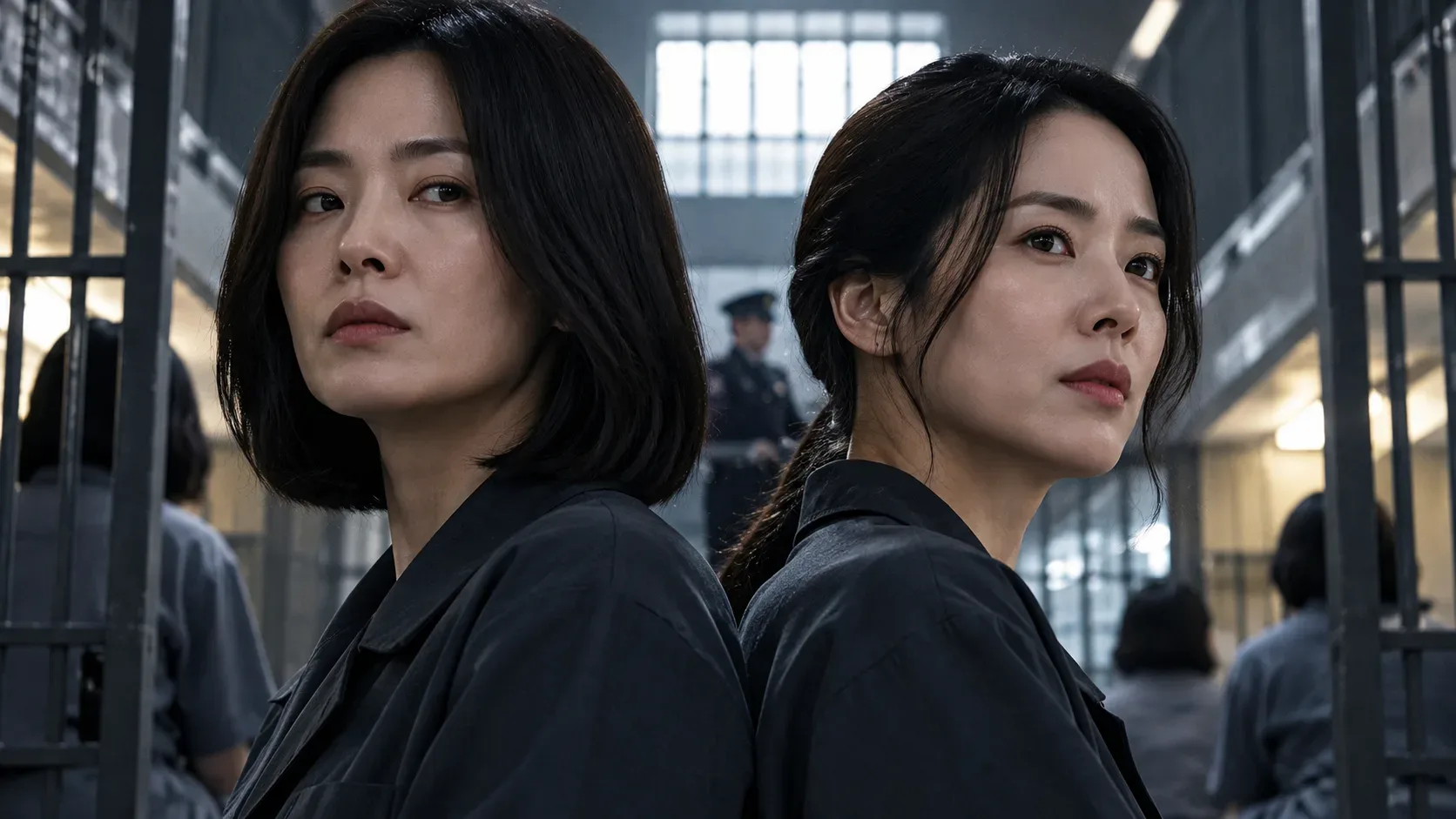
Dong-eun and Yeo-jeong enter the prison system at the end of The Glory because they intend to target Kang Yeong-cheon, the man who murdered Yeo-jeong’s father. Dong-eun’s revenge against Park Yeon-jin has reached its conclusion; Yeo-jeong’s revenge is still a goal. He takes a job as a prison doctor, while she starts teaching debate to inmates as a volunteer. Their new access is part of a plan, but the show does not depict that revenge being carried out.
Dong-eun’s revenge is over. Yeo-jeong’s is not
The central conflict in The Glory begins with the abuse Dong-eun endured at school. Years later, she devotes herself to dismantling the lives of Yeon-jin and the former bullies, gathering information, splitting alliances, and ensuring damaging secrets reach the police and the people concerned. By the end of Part 2, Yeon-jin has lost her social standing, her marriage, and her freedom. Netflix describes this reckoning as complete.
Yeo-jeong helps Dong-eun throughout that campaign, but he has his own unresolved trauma. His father was murdered by Kang Yeong-cheon, who is imprisoned and continues to torment the family with messages. The doctor’s grief predates the conclusion of Dong-eun’s revenge. The finale therefore does not introduce a random new enemy or simply repeat the same mission with a different target: it changes who needs support.
Why does Kang Yeong-cheon’s transfer matter?
Yeo-jeong initially wanted to work in the prison holding his father’s killer, but he encountered an obstacle. According to Marie Claire’s account, the warden could not hire a relative of one of that inmate’s victims. The solution shown in the finale is to change where the killer is held. Dong-eun uses her contacts to help arrange Yeong-cheon’s transfer to another facility.
Yeo-jeong then secures a medical position at the new prison. Dong-eun takes on a volunteer teaching role, specifically leading debate classes. The distinction is important: he has a professional post, while Marie Claire describes her role as volunteer work. Both now have a concrete reason to enter the same facility as the man Yeo-jeong hopes to confront.
Their roles explain the narrative purpose of working inside the prison. They do not establish that the characters have already committed another crime, imposed a punishment, or settled on a definitive method of revenge. What the series establishes is access, proximity, and intent.
How do the six-month jump and Yeo-jeong’s mother change the plan?
After completing her scheme, Dong-eun withdraws from Yeo-jeong and considers ending her life. His mother intervenes and asks Dong-eun to help him face the pain caused by his father’s murder. The story then moves forward six months. Dong-eun returns, the two reunite, and they begin organizing the revenge that matters to Yeo-jeong.
The reversal is deliberate. Earlier, Yeo-jeong offered to support Dong-eun in pursuing her plan; now she becomes the partner able to prepare the way for him. Her choice can be read as a new reason to keep living and to build a relationship with Yeo-jeong. That is an interpretation of the character arc, however, not proof that violence is a means of healing.
What does the final scene confirm, and what remains unresolved?
Yeong-cheon reacts with fear when he recognizes Yeo-jeong at the prison to which he has been transferred. Dong-eun and Yeo-jeong enter the facility together, and their relationship is affirmed. Viewers understand that a plan is underway and that the killer is now within reach of the protagonists.
The show ends before revealing the outcome of that project. The revenge against Yeong-cheon is not shown to have been completed, and there is no basis for claiming a particular final punishment. Nor does the setup amount to an announcement of a second season: the official Netflix explanation consulted described any continuation as unconfirmed. The prison, then, marks the transition from Dong-eun’s completed story to an intention whose outcome remains open.