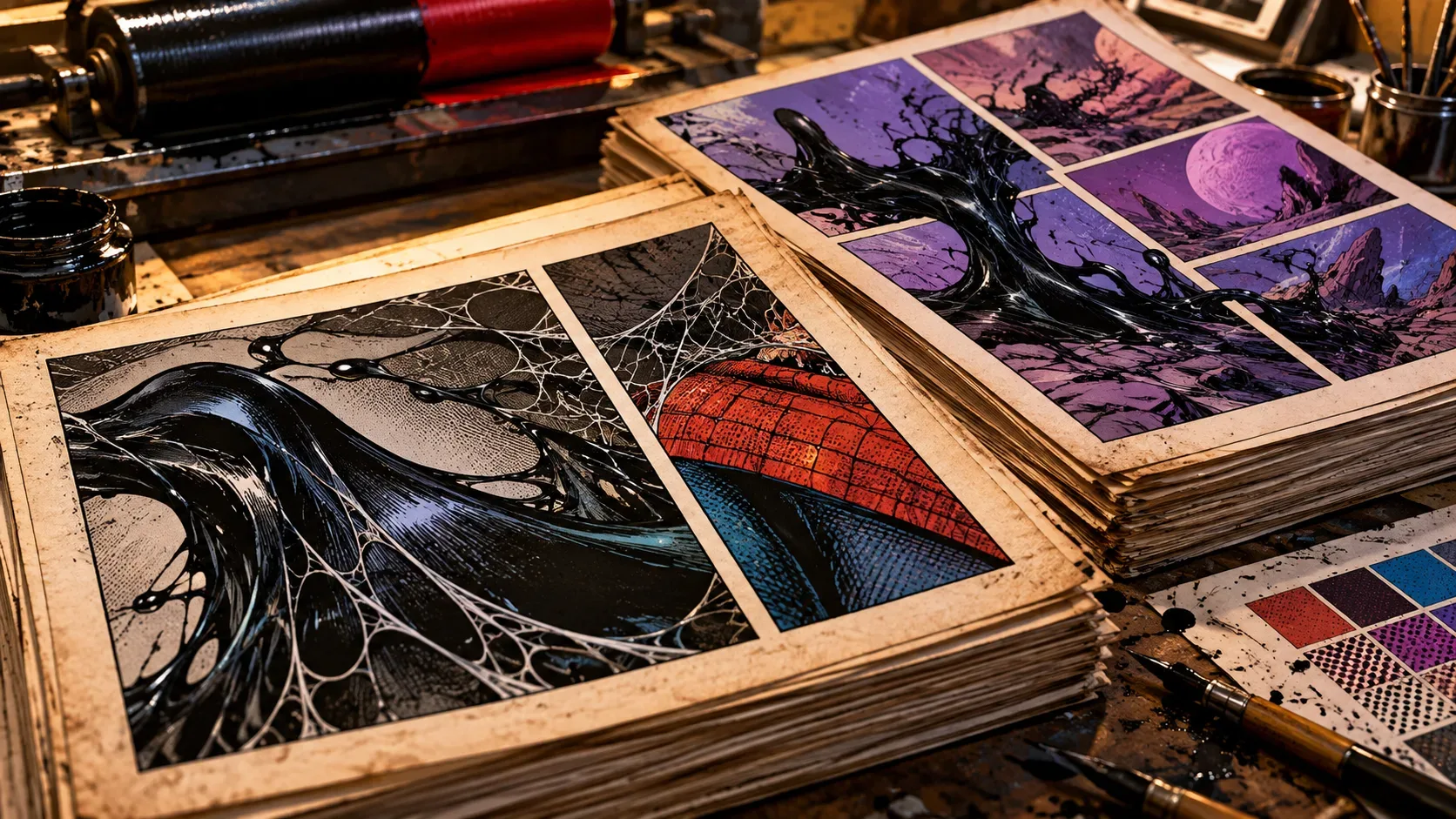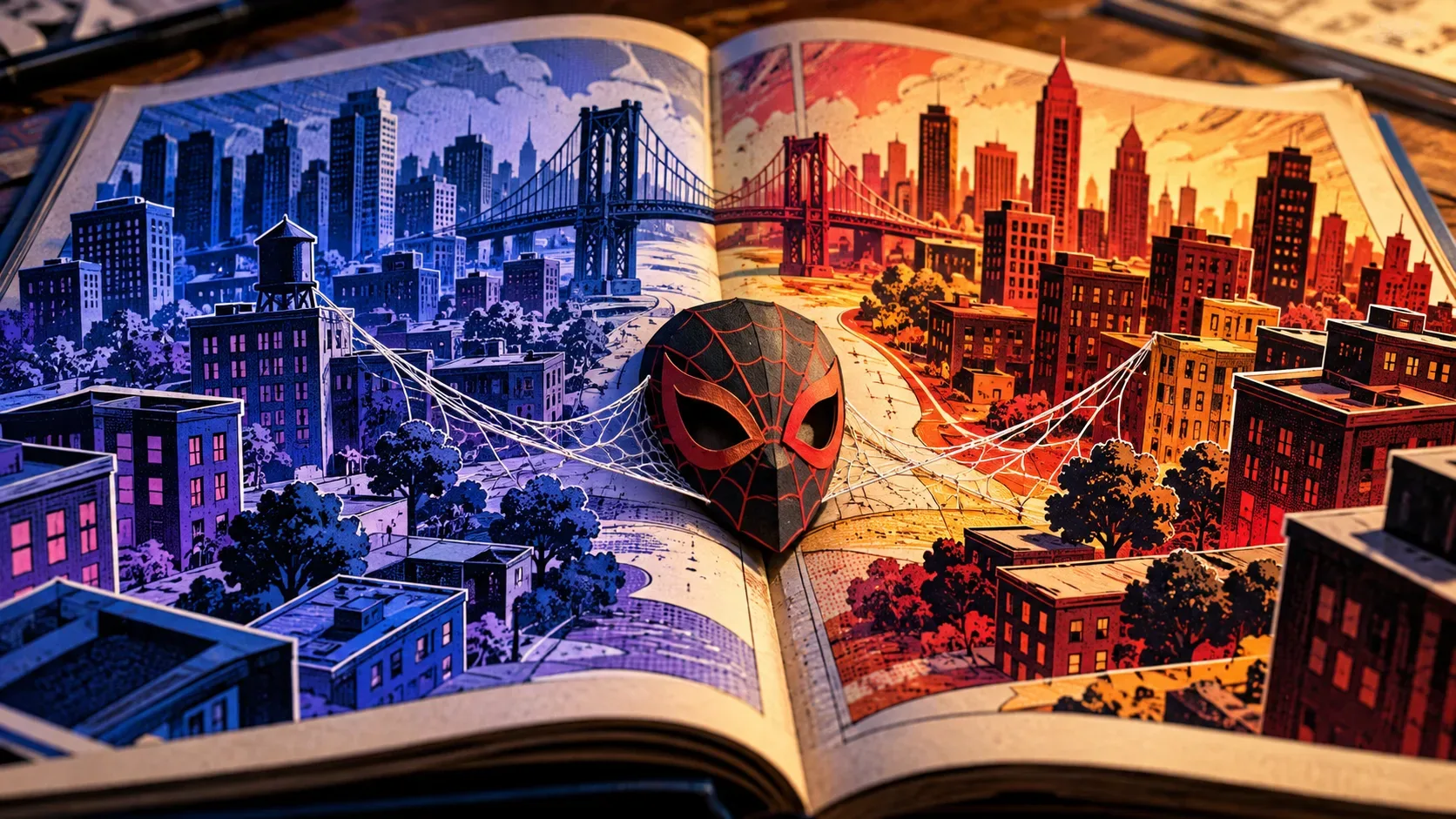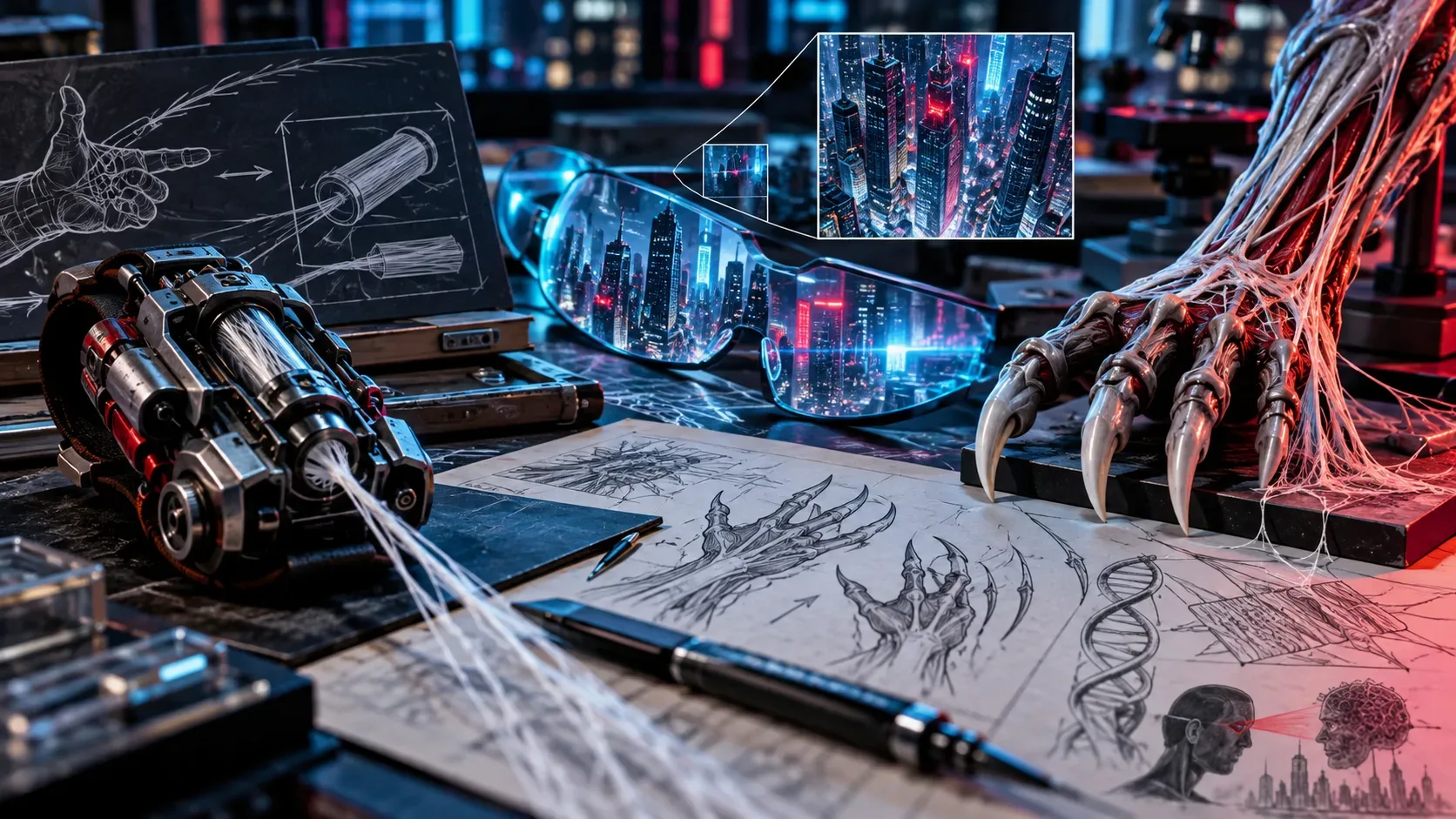
Peter David gave Miguel O’Hara powers unlike Peter Parker’s because he wanted a Spider-Man who was recognizable without being a copy of the original. In a retrospective interview published by GamesRadar+, the writer said he tried to reverse the classic hero’s traits whenever possible. That approach shaped physical abilities, including organic webbing, talons, and enhanced vision, as well as Miguel’s personality and development.
The decision concerns the comic-book creation of Spider-Man 2099, launched in 1992 with David writing and Rick Leonardi drawing. It should not automatically be treated as a complete account of the character’s abilities in animated films or other adaptations.
What did Peter David set out to reverse?
David described a principle of contrast rather than simply swapping one superpower for another. In his view, Peter Parker tends to be more reserved out of costume and talkative as Spider-Man. Miguel was written in the opposite direction: sarcastic and outspoken in everyday life but relatively quiet when suited up. David also deliberately changed the family dynamic. Miguel has a mother, a brother, and a fiancée, rather than the defining presence of Aunt May in Peter’s life.
Their paths toward heroism also differ. The classic Peter is driven by guilt after Uncle Ben’s death. Miguel, as David explained when discussing his own writing, gradually recognizes the injustice of his society and what he can do about it. This lets the 2099 hero grow without simply reenacting Peter’s foundational lesson.
Webbing, talons, and vision: deliberate differences
The contrasts appear in David’s interview and can be checked against Marvel’s official character profiles:
| Trait | Classic Peter Parker | Miguel O’Hara in comics |
|---|---|---|
| Webbing | Invents mechanical web-shooters and his own web fluid. | Produces organic webbing through structures in his forearms. |
| Wall-crawling | Clings to surfaces through his adhesive ability. | Uses retractable talons on his fingers and toes to grip surfaces. |
| Perception | Has spider-sense, an advance warning of danger. | Lacks the traditional spider-sense; instead he has enhanced eyesight, can track fast motion, and can see extraordinarily far. |
| Additional features | In his classic conception, does not have fangs that inject a paralyzing toxin. | Has fangs capable of delivering a paralyzing substance. |
Two qualifications matter. Miguel’s enhanced vision is not merely spider-sense under a different name: Marvel also describes heightened sensitivity to light, a drawback of his altered eyesight. Peter’s artificial web-shooters, meanwhile, refer to his traditional comic-book setup. Some adaptations give him organic webbing. David himself noted the resemblance to Sam Raimi’s Spider-Man films, without suggesting that the stories share a continuity.
Another distinction is frequently missed. Miguel’s gliding ability comes from an airfoil made of specialized material attached to his costume, according to Marvel. That is equipment, not an additional biological mutation, and should be kept separate from his organic web production.
Why do these choices fit the world of 2099?
Miguel inhabits a futuristic New York dominated by corporations. He works as a geneticist for Alchemax and gains spider-like abilities after an attempt to alter his own genetic makeup is sabotaged. Peter’s original story begins with a spider bite; Miguel’s transformation is rooted instead in genetic research and the corporate system at the center of his conflicts. Marvel outlines this background in its Miguel O’Hara profile and Marvel 2099 reading guide.
The result has a clear narrative logic. This Spider-Man’s powers are more visibly physical, and sometimes unsettling: talons, fangs, and light sensitivity shape how his body works. These details set him apart from Peter without removing common qualities such as strength, agility, and a willingness to confront abuses of power. The thematic effect is an editorial interpretation; David’s intention to reverse powers and behavior is directly supported by his interview.
Miguel therefore did not acquire random abilities simply to look more powerful. Peter David reworked Spider-Man’s physical rules and characterization so readers could recognize the superhero archetype while following a distinct protagonist and a different path to responsibility. This account applies to the original comics; film versions must be considered on their own terms.