No. Green Lantern: The Dying of the Light has not been announced as part of the main Green Lantern comics continuity. DC introduced the miniseries under its Black Label imprint, which primarily publishes self-contained stories featuring familiar characters outside the regular timeline. The future depicted for Hal Jordan should therefore not be treated as his confirmed destiny in the monthly comics.
Announced at New York Comic Con in October 2026, the project is written by Jason Aaron, illustrated by Tirso and planned as a five-issue series for 2027. The writer’s website calls it Green Lantern: The Dying of the Light, while DC’s official convention roundup uses Green Lantern: Dying of the Light. Both refer to the same project.
What does Black Label mean for Hal Jordan’s canon?
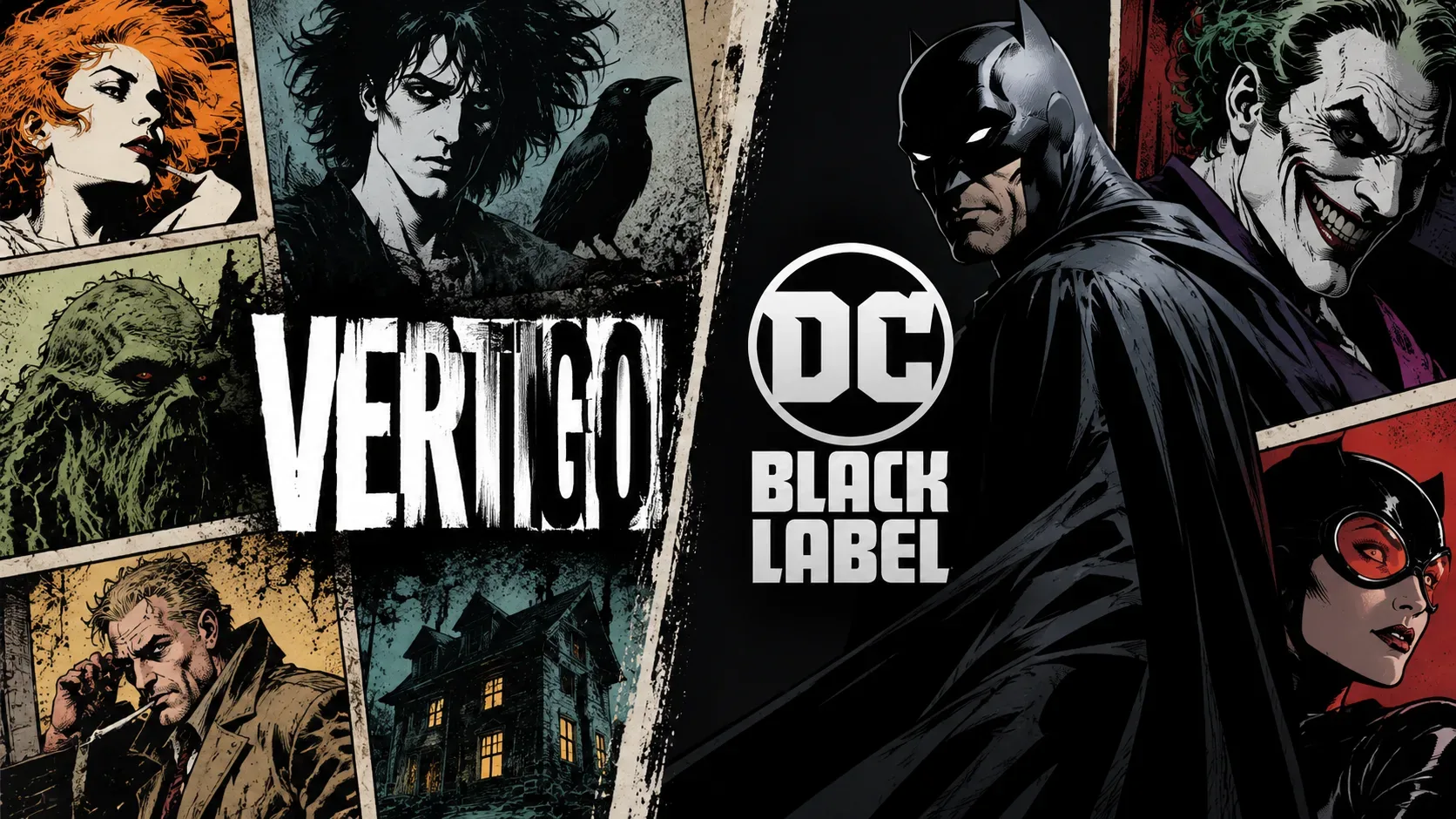
When DC launched Black Label in 2018, it described the imprint as a place for distinctive, standalone interpretations set outside current DC Universe continuity. In February 2026, while explaining the distinction between Black Label and the revived Vertigo imprint, DC reiterated that mission: mature stories featuring DC characters that do not have to follow every change in the main timeline.
For readers, the practical implication is straightforward. This older Hal Jordan can have his own history and ending. The series may draw on established Green Lantern mythology, but a Black Label designation does not establish that its events will happen to the Hal of the ongoing books. On its own, the imprint also does not specify an Earth number, a fixed place in the multiverse or an eventual move into mainline canon.
What is the confirmed premise of Dying of the Light?
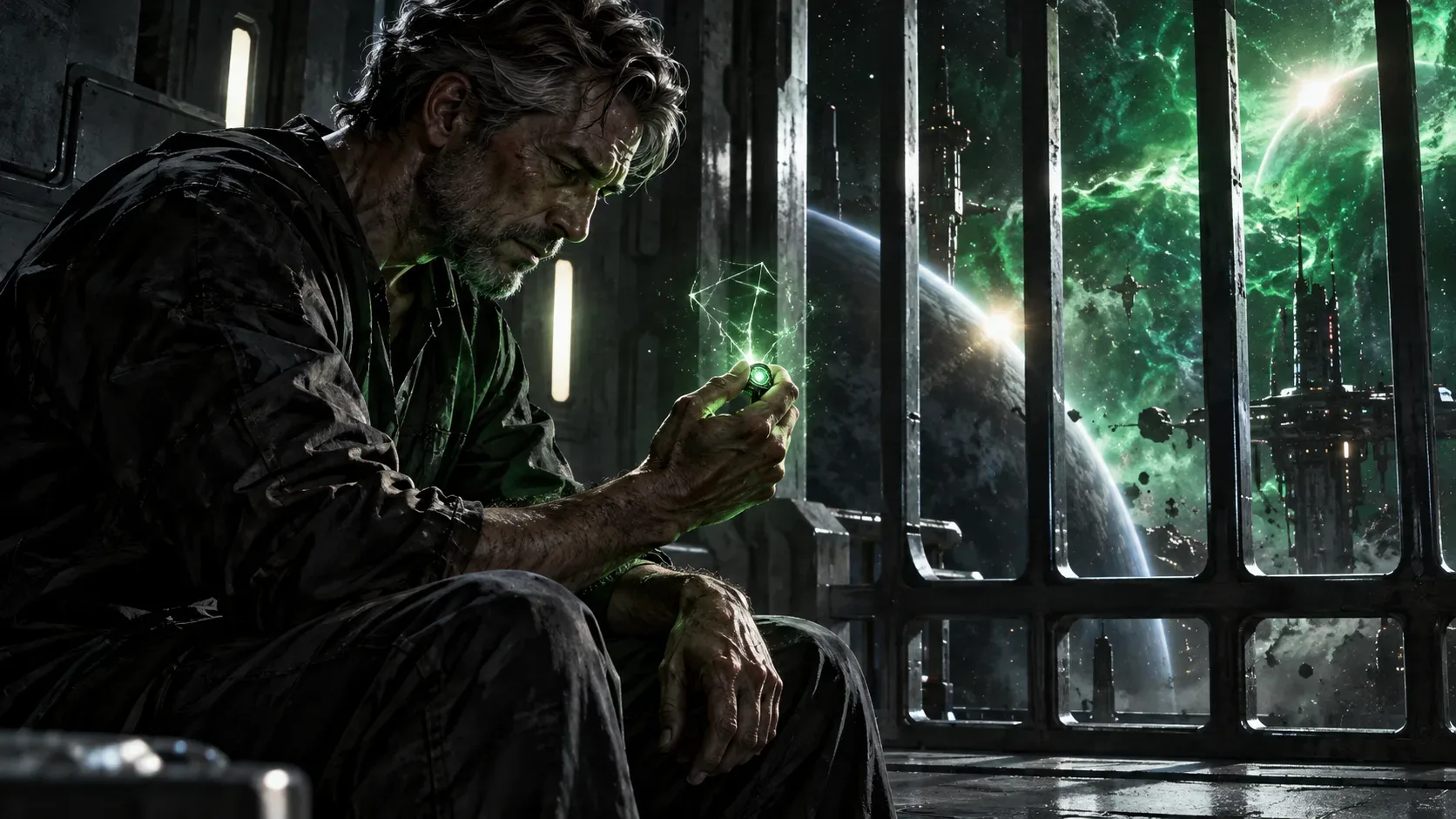
According to DC’s official New York Comic Con roundup, the story takes place twenty years in the future. Hal Jordan is incarcerated in an intergalactic prison and gains access to a depowered ring that can create only very limited energy constructs. Instead of relying on the enormous shapes of light associated with his familiar powers, this Hal must make careful choices about the resources he has left.
ComicsXF’s report from the panel adds, attributing the details to the presentation, that Hal has spent two decades imprisoned and wants to prove his innocence after escaping. DC’s official recap does not explain why he was locked up or who was responsible. It would therefore be premature to invent an accusation, identify a particular villain or tie his sentence to an already published story arc.
Aaron also teased appearances by several familiar Lanterns and joked about the possible inclusion of Thanagarian characters. Those comments suggest creative intentions; they are not a definitive cast list.
Why does Jason Aaron compare it to The Dark Knight Returns?
Aaron has described his approach as a Dark Knight Returns for Hal Jordan, referencing Frank Miller’s celebrated story about an older Batman. The comparison points to the tone: a worn-down hero, removed from his usual prime and facing a harsh future. It does not make this comic a Batman sequel or establish that the two stories share a timeline.
Is Black Label the same as Elseworlds?
Not quite. Elseworlds is also the name of DC’s line devoted to alternate realities. A Black Label story can offer an out-of-continuity interpretation without formally carrying the Elseworlds imprint. DC’s announcement identifies Dying of the Light as Black Label and, as of this reporting, gives it neither a specific Earth designation nor an Elseworlds imprint label.
There is a particularly easy mix-up in the 2027 slate: DC also announced Green Lantern: Doomed Cosmos, explicitly designated an Elseworlds miniseries. That is a different project by Dan Watters and Kyle Hotz, running six issues, with a US release date of January 20, 2027 announced for its debut. Its alternate cosmic war should not be confused with the imprisoned, underpowered Hal Jordan in Jason Aaron’s project.
When will it be released, and what remains unconfirmed?
DC and Jason Aaron confirm that The Dying of the Light is planned for 2027 as a five-issue miniseries. ComicsXF reported March 2027 as the intended launch month mentioned at the panel, but the official pages reviewed do not yet provide an exact on-sale day. Those documents also do not confirm a Brazilian publishing schedule or publisher.
The reason for Hal’s imprisonment, the main antagonist’s identity, the precise extent of supporting appearances and the ultimate fate of this version of Hal remain undocumented. As the issues had not been published by October 22, 2026, these are questions for the forthcoming story, not established facts about mainline canon. Any future change in status would need support from an editorial statement or the published comics themselves.
Sources and references
- DC: comics announced at NYCC 2026
- Jason Aaron: miniseries announcement on the writer’s official website
- DC: explanation of Vertigo and Black Label
- DC: original Black Label launch announcement (2018)
- ComicsXF: reporting from the NYCC Black Label/Vertigo panel
- DC: official Green Lantern: Doomed Cosmos Elseworlds announcement