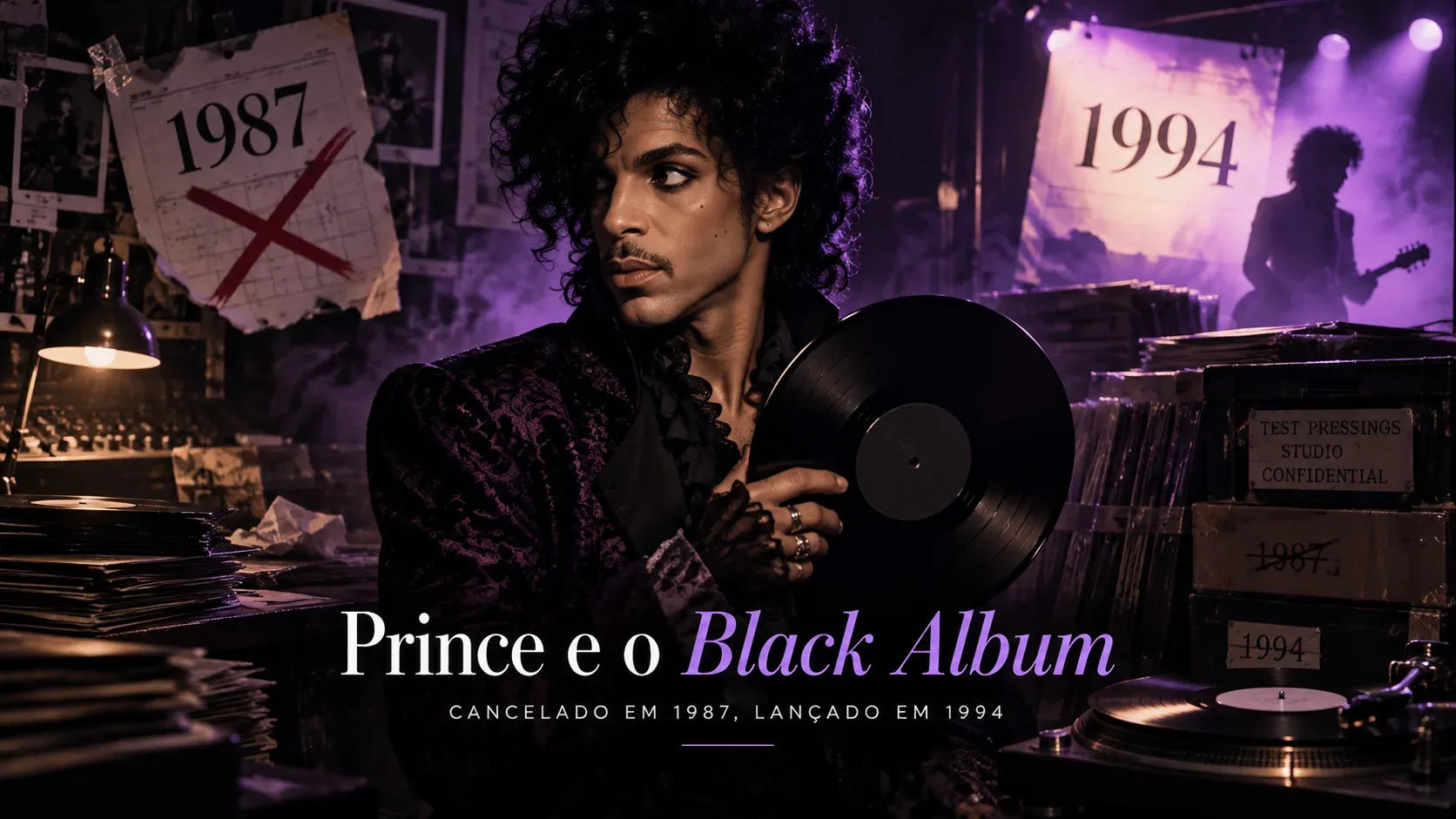
Prince withdrew The Black Album before its planned commercial release on December 8, 1987. The record was complete and copies had been pressed, but the musician asked Warner Bros. to stop distribution. The label finally issued it officially in a limited edition in 1994, seven years later. The crucial distinction is that promotional copies and unauthorized recordings existed earlier, but they did not amount to an authorized commercial release in 1987.
In a 1990 Rolling Stone interview reproduced in Prince's official discography, he linked the cancellation to the anger he heard in the music and his concern about leaving that message as his final work. His retrospective explanation carries a different level of authority from stories about a supernatural experience or precisely what occurred on a particular night.
A finished record that never reached stores in 1987
The project followed Sign o' the Times, released in 1987. Its eight tracks were firmly rooted in funk and included confrontational pieces such as Bob George and Dead on It. The planned sleeve was almost entirely black, without the usual front-cover identification of a Prince album. The absence of a printed title helped establish the name by which the record became known.
According to Andy Price's reconstruction for MusicRadar, release was scheduled for December 8 and the cancellation occurred around December 1, a date later accounts call Blue Tuesday. The report also mentions approximately 500,000 copies being prepared. That figure is a historical estimate attributed to the report, not a sales total.
What Prince said, and what remains an account
The most securely documented reason is Prince's dissatisfaction with the record's emotional tone. In the 1990 interview, he said he had been angry much of the time and did not want to be remembered for work defined by bitterness. The discography maintained by his estate presents those remarks as an explanation for the withdrawal.
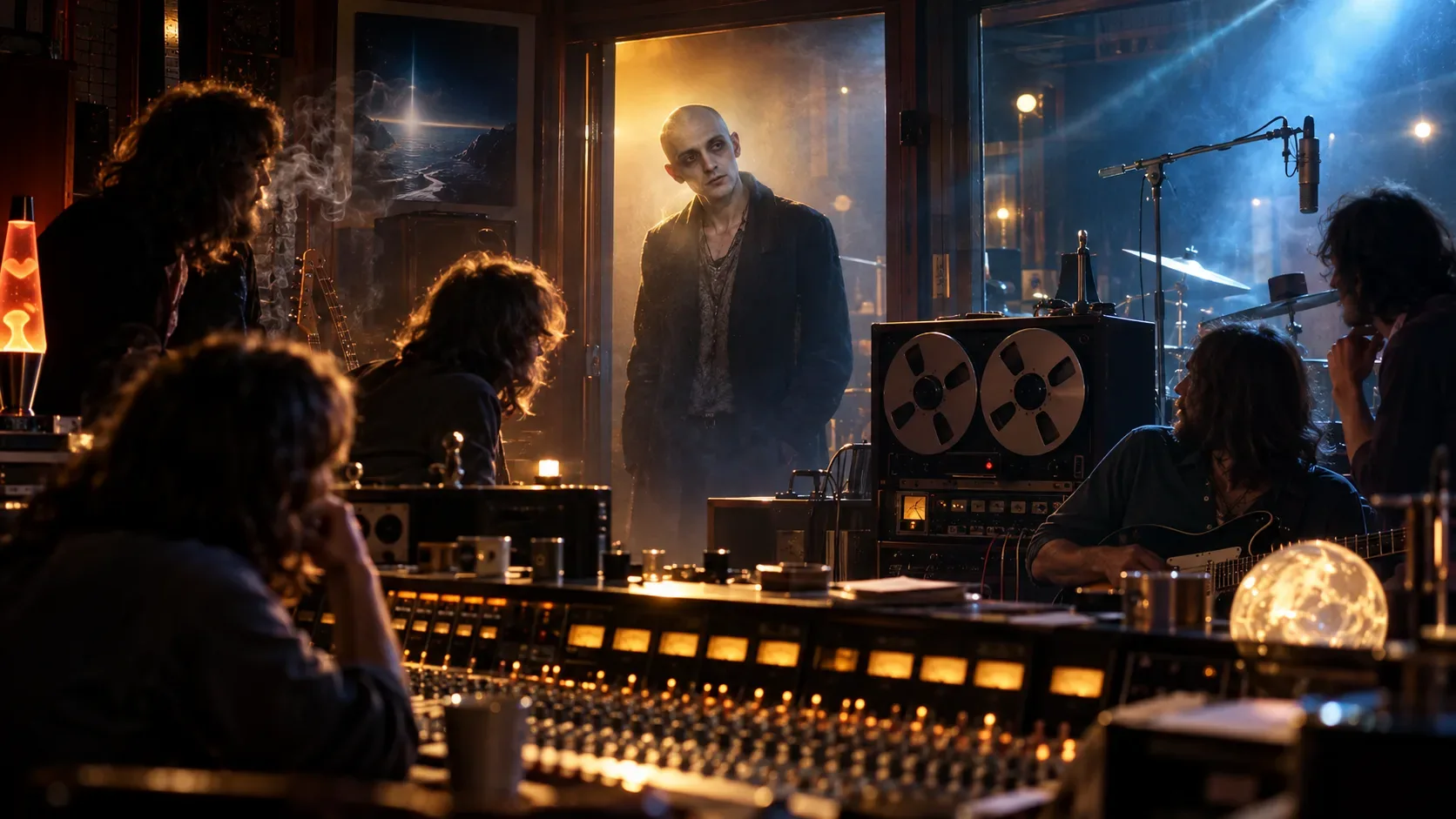
MusicRadar gathers recollections from people close to him about the night of the cancellation, including spiritual interpretations and conflicting versions of the artist's state of mind. These accounts help explain how the episode acquired an almost mythical reputation, but they do not independently establish every detail. Nor do they justify treating a single specific experience as the proven explanation for everything that happened.
Why Lovesexy replaced The Black Album
After halting the project, Prince recorded Lovesexy, released in 1988 on Paisley Park Records and Warner Bros. His official discography says he assembled the new songs in about seven weeks. The musical and thematic shift is clear in the catalog's description: Lovesexy was brighter, more melodic, and oriented toward spirituality and positivity.
One concrete connection remained between the two albums. When 2 R in Love, originally on The Black Album, also appeared on Lovesexy. In the Alphabet St. music video, Prince briefly inserted a message apologizing and urging viewers not to buy the black album, according to the official account. The canceled project therefore continued to surface indirectly in the record that replaced it.
Promotional pressing, bootleg, and official edition are different
Stopping distribution did not make every copy disappear. Some advance pressings survived. One documented example is a 1987 CD from Warner executive Russ Thyret's collection, described by RR Auction with the catalog number and manufacturing code from that pressing. This physical evidence shows that discs existed before 1994, not that the album received a regular retail release in 1987.
Meanwhile, unauthorized reproductions circulated among collectors and listeners, notably lower-quality cassette tapes. An authentic promotional pressing was produced as part of the original release process; a bootleg is an unauthorized copy; and the 1994 edition was the album's first official commercial availability. Conflating these three categories changes the answer to when the record was released.
Why the official edition arrived only in 1994
Prince's official discography attributes the decision to distribute the album again to Warner Bros. It arrived on November 22, 1994, the date specified by MusicRadar's retrospective, in newly pressed vinyl and CD editions. This was not simply the discovery of a lost recording: the label already had the tapes and chose to market them years after the withdrawal.
According to the official catalog, Prince asked for sales to be limited, ending on January 27, 1995. The consulted documentation does not establish one definitive explanation for choosing 1994 specifically, and it does not prove that the artist had abandoned all his reservations about the material. What can be established is the combination of the label's commercial initiative, an authorized release, and a restricted sales window.
Timeline: four situations often confused
| Period | What happened |
|---|---|
| 1987, before December | Recorded and prepared album, including advance copies; no regular commercial release. |
| December 1987 | Prince requests withdrawal before the planned release date. |
| 1988 | Lovesexy is released and includes When 2 R in Love, carried over from the canceled project. |
| November 22, 1994 to January 27, 1995 | Warner officially sells The Black Album for a limited period. |
What the album's history makes clear
The span from 1987 to 1994, then, was not seven years spent recording or waiting for an unfinished album. The material already existed when Prince requested its withdrawal. Lovesexy became his new album in 1988, while rare pressings and unauthorized versions fueled the reputation of The Black Album. The 1994 edition turned that withdrawn repertoire into an official commercial release without erasing the original cancellation.