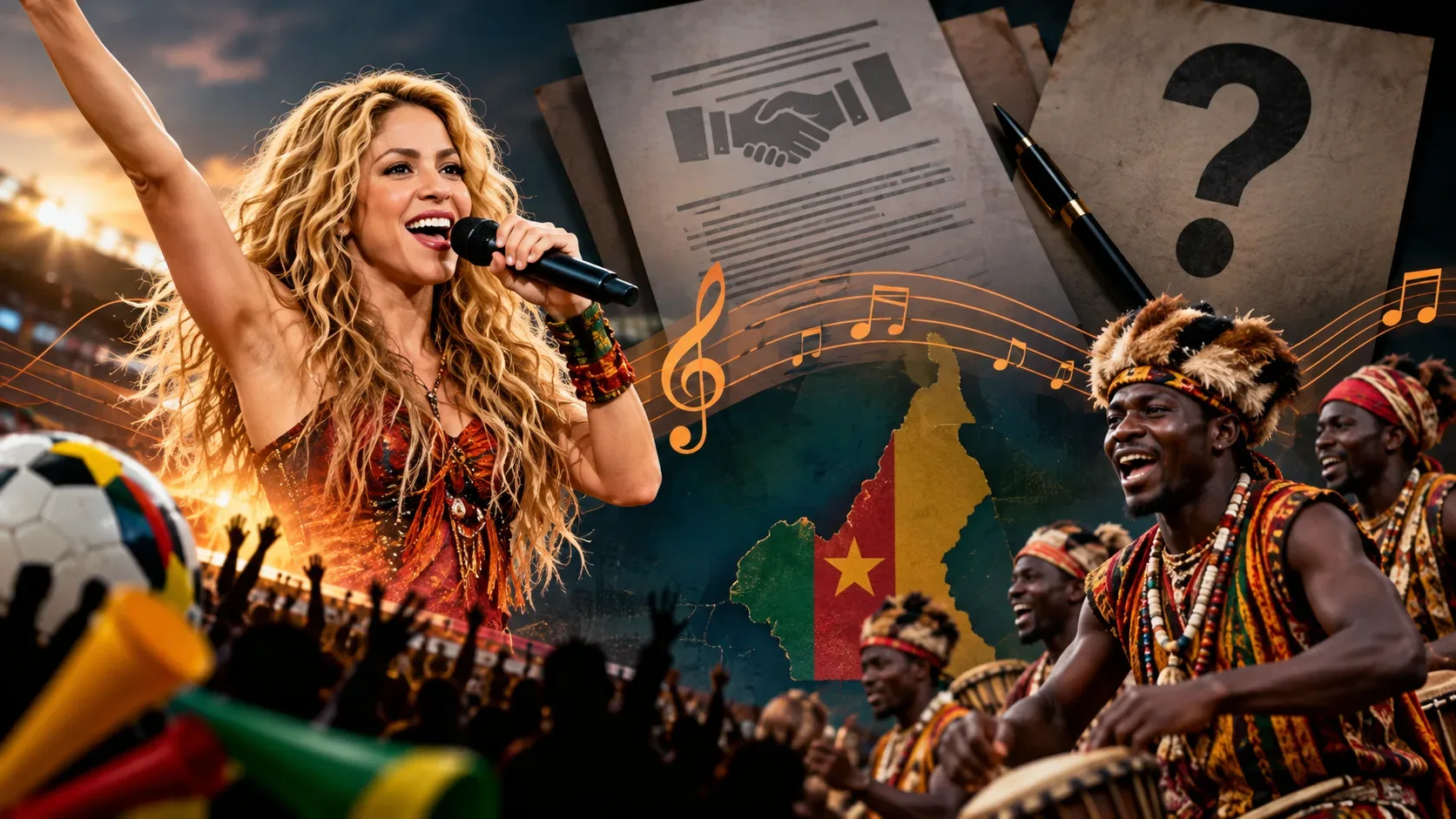
Accounts of the rights to Waka Waka (This Time for Africa) and Zangalewa appear to conflict because they cover different stages of negotiations and rely on different kinds of evidence. On May 28, 2010, AFP reported that the Cameroonian group's manager said an agreement had been reached. In 2025, ge recalled unsuccessful early approaches but also reported that the musicians eventually received songwriting credits and a share of rights revenue. None of the sources examined here publishes the complete signed contract, its financial terms, or a full list of parties.
Where did Waka Waka's chorus come from?
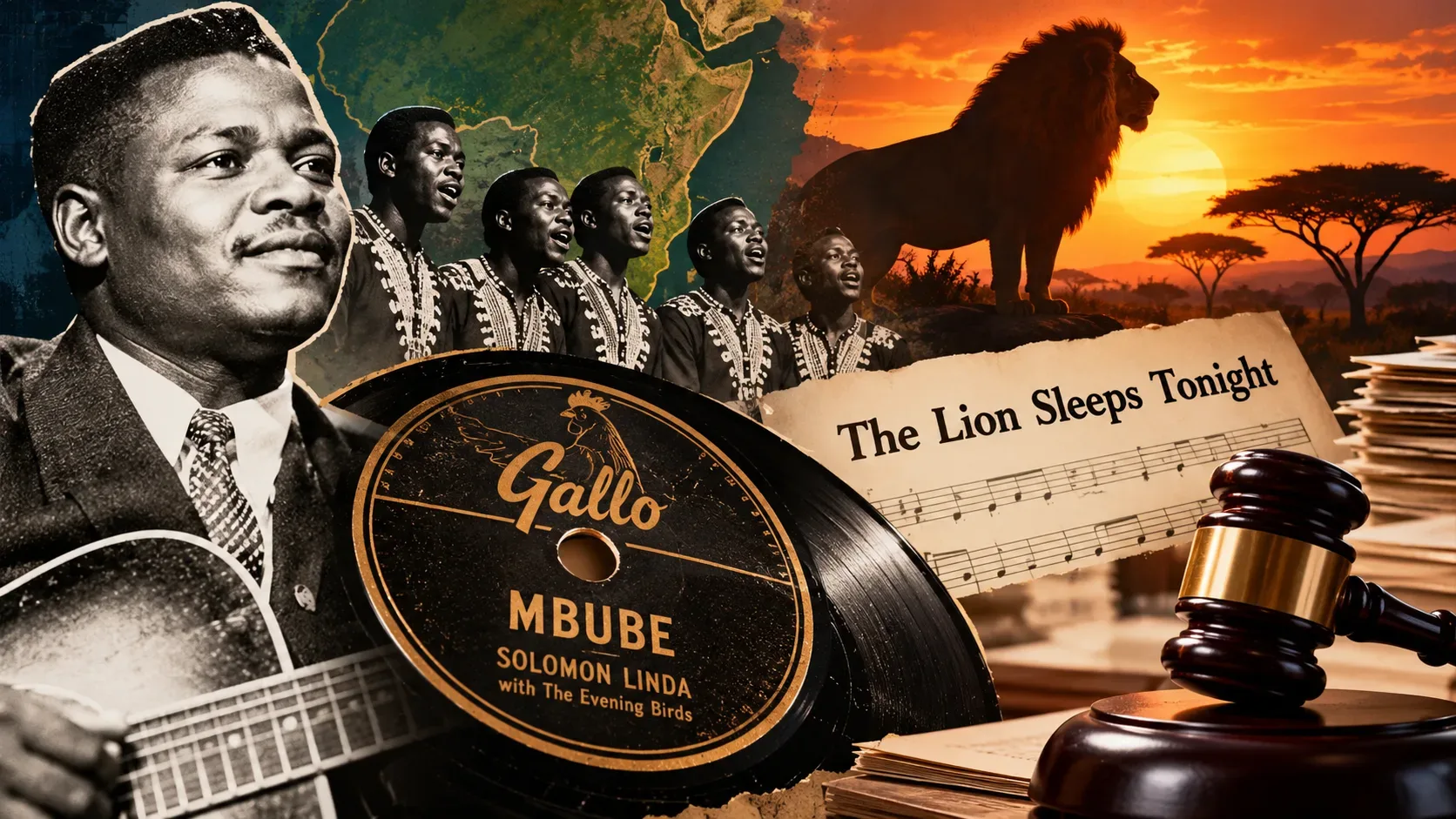
Shakira's song, recorded with South African group Freshlyground for the 2010 FIFA World Cup, drew on a chorus associated with Zangalewa, a Cameroonian hit released in the 1980s and known through the recording by Golden Sounds, later also known as Zangalewa. In an AFP report republished by Folha on May 29, 2010, the act was called Golden Voices. The naming variation in coverage does not alter the central point: the Cameroonian origin of the chorus is acknowledged in the reporting.
The similarity of the choruses is not the same as the more technical claim that a section of a specific sound recording was copied. Cadena SER used the word sample in a September 21, 2026 discussion of Shakira's music, but that commentary did not present a technical examination of the recording or the 2010 license. The musical relationship can therefore be explained without assuming a particular production technique.
What was announced in May 2010?
On May 28, 2010, AFP published a report based on comments by Didier Edo, identified as the Cameroonian group's manager. He said the parties had reached an understanding with the producers of Waka Waka. Folha carried the report on May 29. It also said the adaptation had initially proceeded without the Cameroonian artists' consent and described authorization as having been reached at that point, before the World Cup.
The evidentiary limit matters: this was a contemporary statement from a representative reported by a news agency. It was not the publication of the contract itself. The document, payment amount, revenue allocation and signatures were not provided in the story.
Why did ge describe failed negotiations?
On August 14, 2025, explaining why Zangalewa had attracted renewed attention during a supporters' stadium display in Burkina Faso, ge said members of Golden Sounds tried to negotiate with Sony Music, FIFA and a representative of Shakira, without initial success. The report then described public pressure, the prospect of legal action, and the eventual addition of credits and a share of rights revenue. In other words, its own account separates early difficulties from the later outcome.
The statements from 2010 and 2025 need not be treated as competing descriptions of a single day. The first records an agreement announced in May; the second reconstructs earlier attempts and a subsequent result. Documentary questions remain about when each obligation was formalized and who was authorized to sign.
A July account suggests another layer of negotiations
In a post published by the specialist blog Afro-IP on August 2, 2010, Christian Dudieu Djomga, described as involved in the case, reported a dispute between the authors of Zangalewa and the successors of a producer who, according to his account, had received certain economic rights in 1986. He said they signed a protocol in Douala on July 7, 2010, setting out how to share payments expected from Sony Music and Shakira.
That participant's account is not a substitute for examining the protocol. Nor does it justify automatically merging the alleged July arrangement among rights holders with the understanding reported by Didier Edo in May. The parties and matters described are not identical.
What do the 2026 sources actually establish?
A June 10, 2026 article in WIPO Magazine described an out-of-court settlement negotiated by Shakira's management and Sony Music with the writers of Zangalewa, who were subsequently credited as co-writers of Waka Waka. On September 21, 2026, Cadena SER discussed the incorporation of earlier songs as a practice involving permissions, credits and payment, and noted that the Cameroonian musicians appear among the credited writers.
These accounts help establish how the case was described later. By themselves, they do not establish the terms of every original authorization, the exact timing of payments or whether each contractual obligation was fulfilled. Songwriting credit and the actual receipt of royalties are connected but distinct questions.
What can be concluded about the rights?
News coverage documents a manager's announcement of an agreement in May 2010, difficulties recalled in subsequent reporting, and later references to an out-of-court settlement and shared writing credits. What is missing from the sources examined here is the full contract that could reconcile clauses, dates, representatives, royalty percentages and payments. There is therefore no basis here for a judicial conclusion that plagiarism occurred, that no agreement ever existed, or that every payment was made exactly as envisaged.
Sources and references
- AFP republished by Folha: May 2010 report of an announced agreement
- ge: the dispute revisited in a 2025 report
- Afro-IP: 2010 account attributed to Christian Dudieu Djomga
- WIPO Magazine: later account of an out-of-court settlement and credits
- Cadena SER: Pablo Lluch's analysis published in September 2026